
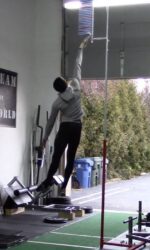
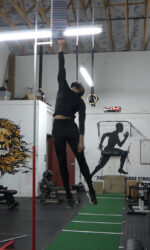
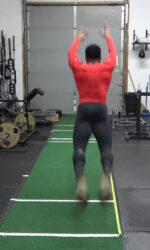

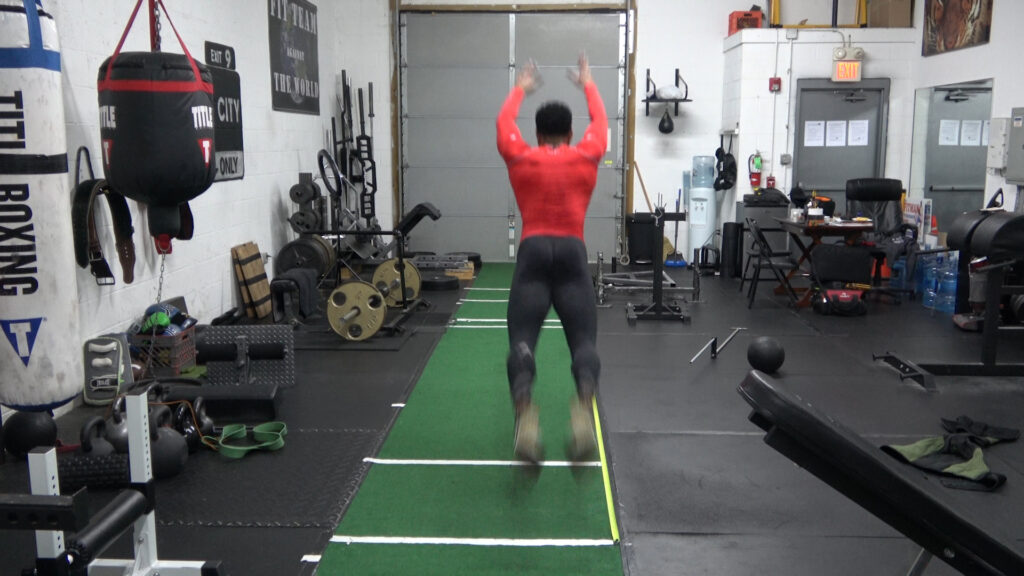

Work With A Vertical And Broad Jump Training Coach In Abington
Vertical Jump | Broad Jump | Explosive Power Development
Explosiveness separates average athletes from elite athletes.
If you or your athlete struggle to finish above the rim, lack burst off the floor, or want to improve first-step power and overall athleticism, vertical jump training can make the difference.
I’m Fitman, a USATF Masters Sprinter, NGA Pro Natural Bodybuilder, and NASM-certified performance coach. I specialize in vertical jump development, power training, and athletic performance for basketball, football, baseball, volleyball, soccer, and track and field athletes.
My work has been featured on NBC10, Fox29, WURD Radio, Men’s Health, and Glenside Local. Athletes from Abington, Montgomery County, and the Philadelphia area train at Fitman Performance to improve their vertical jump, broad jump, acceleration, and overall athleticism.
What Athletes Need To Train
Vertical jump training focuses on the qualities that actually improve athletic performance.
Explosive Power
Force production and lower-body explosiveness through jumping, sprinting, and athletic movement training.
Reactive Strength
Developing elastic explosiveness and reducing ground contact time.
Jump Mechanics
Improving takeoff efficiency, coordination, and force transfer.
Speed And Acceleration
Sprint mechanics and acceleration training that support overall explosiveness.
Strength For Athletes
Weight training designed to support vertical jump development, athletic performance, and the strength of the joints, tendons, ligaments, and connective tissues involved in explosive movement.
Where Does Your Vertical Jump Rank?
These ranges reflect realistic high school vertical jump standards.
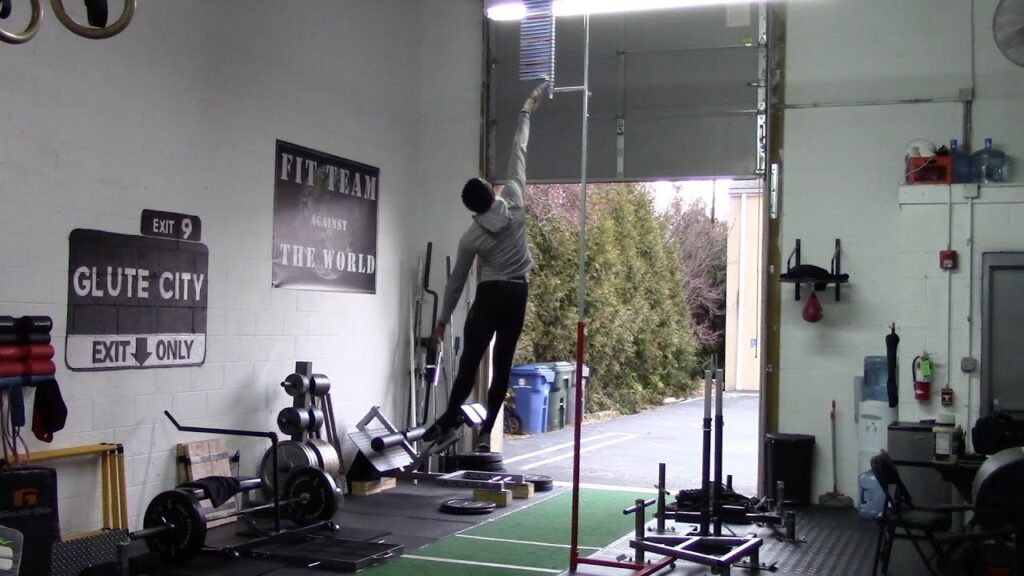
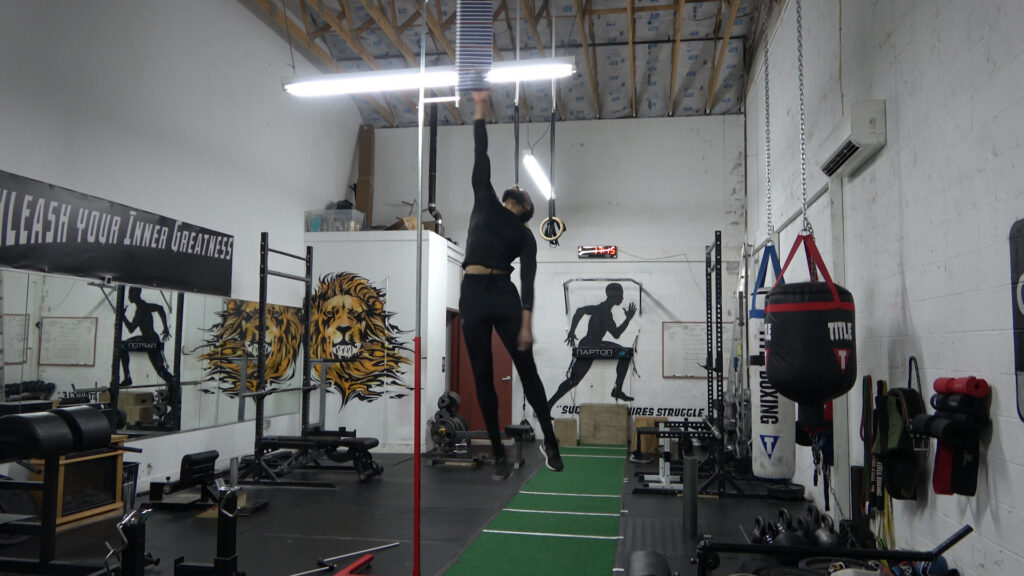
The standing vertical jump is performed from a stationary position. The max vertical jump includes a 4-step run-up approach.
Standing Vertical Jump Standards For Boys
Average: 18 – 20 inches
Good Varsity: 21 – 23 inches
Very Good: 24 – 26 inches
Elite High School: 27 – 30+ inches
Max Vertical Jump Standards For Boys
Average: 22 – 24 inches
Good Varsity: 25 – 27 inches
Very Good: 28 – 31 inches
Elite High School: 32 – 34+ inches
Standing Vertical Jump Standards For Girls
Average: 14 – 16 inches
Good Varsity: 17 – 19 inches
Very Good: 20 – 22 inches
Elite High School: 23 – 25+ inches
Max Vertical Jump Standards For Girls
Average: 17 – 19 inches
Good Varsity: 20 – 22 inches
Very Good: 23 – 25 inches
Elite High School: 26 – 28+ inches
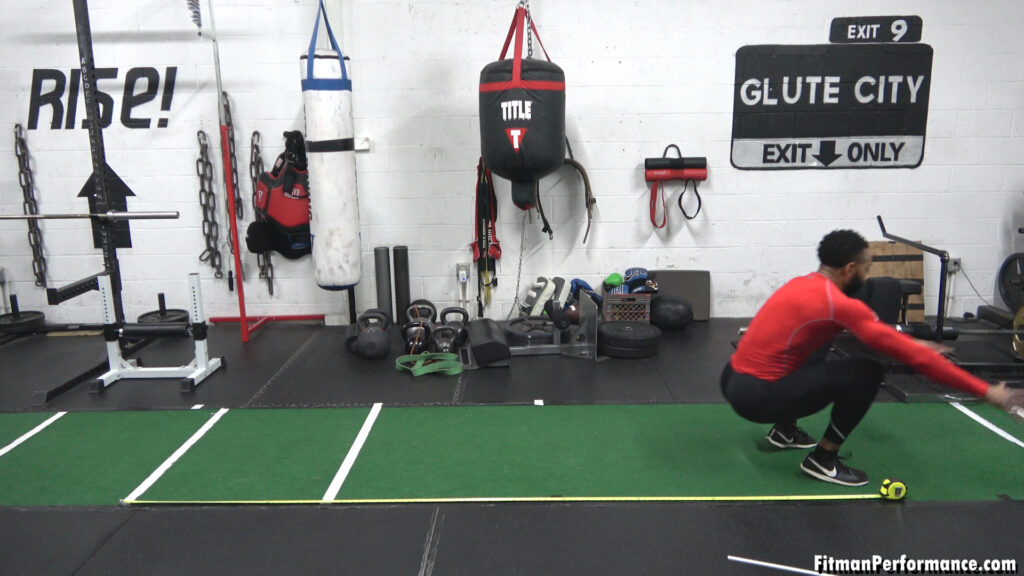
Broad Jump Standards For Boys
Average: 6’6” – 7’3”
Good Varsity: 7’4” – 8’0”
Very Good: 8’1” – 8’8”
Elite High School: 8’9” – 9’6”+
Broad Jump Standards For Girls
Average: 5’3” – 5’11”
Good Varsity: 6’0” – 6’5”
Very Good: 6’6” – 7’0”
Elite High School: 7’1”+
NBA And NFL Jump Standards
NBA and NFL combine testing heavily emphasizes lower-body explosiveness because it directly impacts acceleration, reactive athleticism, force production, and overall athletic performance.
NBA guards typically average around a 30–32 inch standing vertical and a 36–37 inch max vertical, while elite NFL skill position athletes often jump 37–40+ inches vertically with broad jumps over 10 feet.
For example, NBA Hall of Famers Dwyane Wade and Russell Westbrook are both elite athletes. But their official NBA combine vertical jumps are actually lower than many people would expect.
Most people think that the average NBA player has a 40-inch vertical. D. Wade reportedly tested around a 31.5-inch standing vertical and a 35-inch max vertical, while Westbrook reportedly tested around a 30-inch standing vertical and a 36.5-inch max vertical.
Yet both played significantly more explosive than those numbers alone would suggest because of their acceleration, reactive athleticism, body control, and ability to repeatedly produce force dynamically during competition.
Elite explosiveness can absolutely help athletes gain attention and opportunities, but jumping ability alone does not guarantee long-term NBA stardom.
For example, former NBA player James White was widely considered one of the greatest leapers in basketball history, with a reported max vertical jump around 46 inches. White became famous for his elite dunking ability, extraordinary athleticism, and explosive finishing while also building a long professional basketball career overseas.
His career illustrates that while elite explosiveness can open doors and separate athletes physically, long-term basketball success still depends heavily on overall skill development, shooting ability, decision-making, feel for the game, and production.
That is why vertical jump training should not focus only on chasing a single testing number. True athletic development also includes acceleration, reactive strength, sprint ability, coordination, force transfer, and the ability to repeatedly produce power under fatigue.
My Performance Background
I competed in NCAA Division II track at East Stroudsburg University and West Chester University before stepping away from the sport for nearly a decade.
I would define my college career as below average at best. I’d rank it as a 3 out of 10. I tried to make up for lost time not running track for most of high school by training harder and more often. Instead, it led to recurring injuries that followed me throughout my college career. My healthiest year in college was my freshman year during the 2001-2002 season.
I later returned to competition as a masters sprinter from 2015 through 2021 and eventually achieved stronger performances than I did during my college career, including personal bests of:
60m: 7.61
100m: Improved from 12.64 in 2016 to 11.57 in 2017
200m: Improved from 25.33 in 2016 to 23.78 in 2017
During this same period, I significantly improved my jumping ability:
Standing Vertical Jump: 28 inches in 2017 to 33.5 inches in 2019
Max Vertical Jump: 30 inches in 2017 to 36.5 inches in 2019
I accomplished this while continuing to develop strength, sprint performance, and muscular development naturally. That experience shapes how I now coach athletes in explosive power development.
Measurable Athlete Improvements At The Center
Power training should produce measurable results.
Demetrius
Improved his 60-yard dash time from 7.22 in 2015 to 6.58 in 2017 while becoming one of the fastest position players in Pennsylvania and progressing into a Division I baseball athlete at Mount St. Mary’s University.
He also improved his broad jump from 8’2″ in 2015 to 9’2″ during that same period.
Aidan
Improved explosiveness and overall football production from 481 yards and 5 touchdowns to 800 yards and 17 touchdowns during his senior season primarily at wide receiver. His improvements led to him continuing his football career in college at Wilkes University.
Athlete progress is tracked through measurable performance metrics including:
Standing vertical jump
Max vertical jump
Broad jump distance
Sprint acceleration
10, 40, and 60-yard dash times
The goal is simple. Become more explosive and prove it through measurable progress.
Vertical Jump Coach In Abington And Near Philadelphia
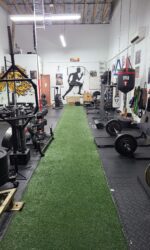
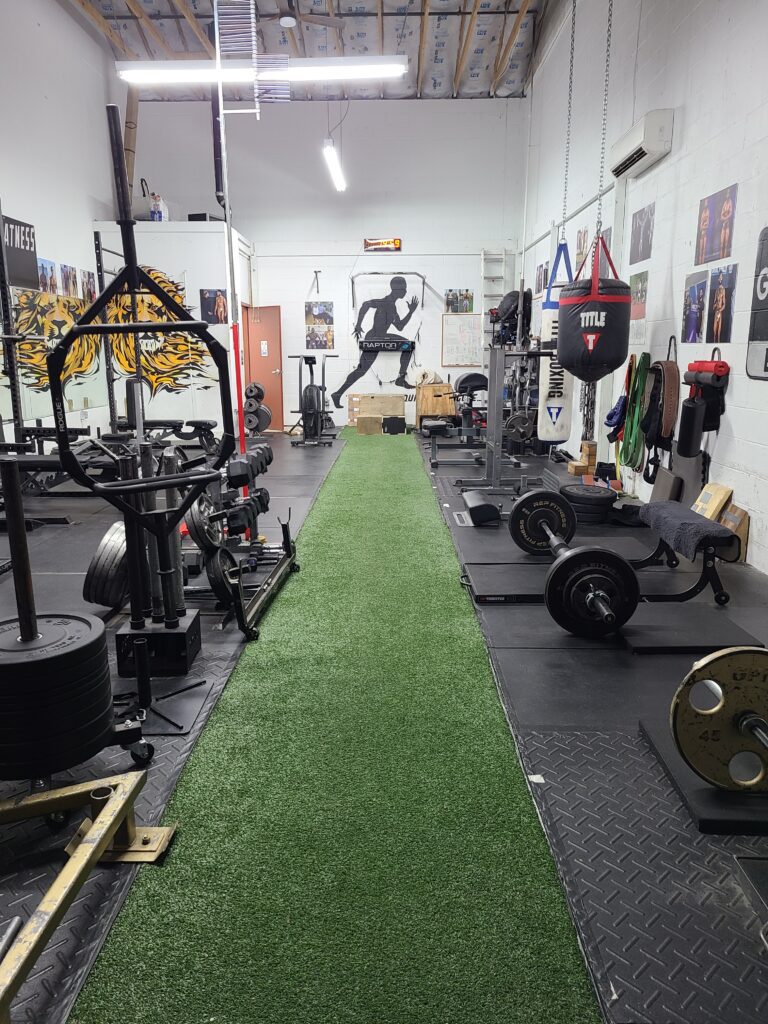
My gym, the Fitman Performance & Physique Center, is located in Abington, Pennsylvania and serves athletes throughout Montgomery County and nearby areas including:
Abington
Jenkintown
Glenside
Willow Grove
Cheltenham
Upper Moreland
Hatboro
Horsham
Philadelphia
Athletes train here to improve vertical jump, broad jump, explosiveness, acceleration, and overall athletic performance.
Ready To Work With A Vertical And Broad Jump Training Coach In Abington?
Explosiveness is built through discipline, coaching, and measurable progress.
If you want to improve your vertical jump, broad jump, acceleration, and overall athleticism, apply below to join the Fitman Vertical Jump Training Program in Abington.
I’ll holla at you soon.
The People’s Trainer,
Fitman