
Speed Training Coach For Athletes Near Abington


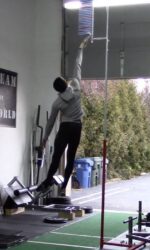
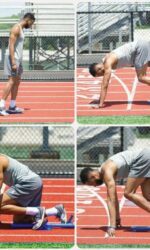
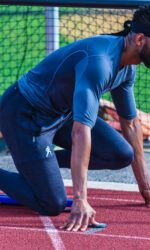
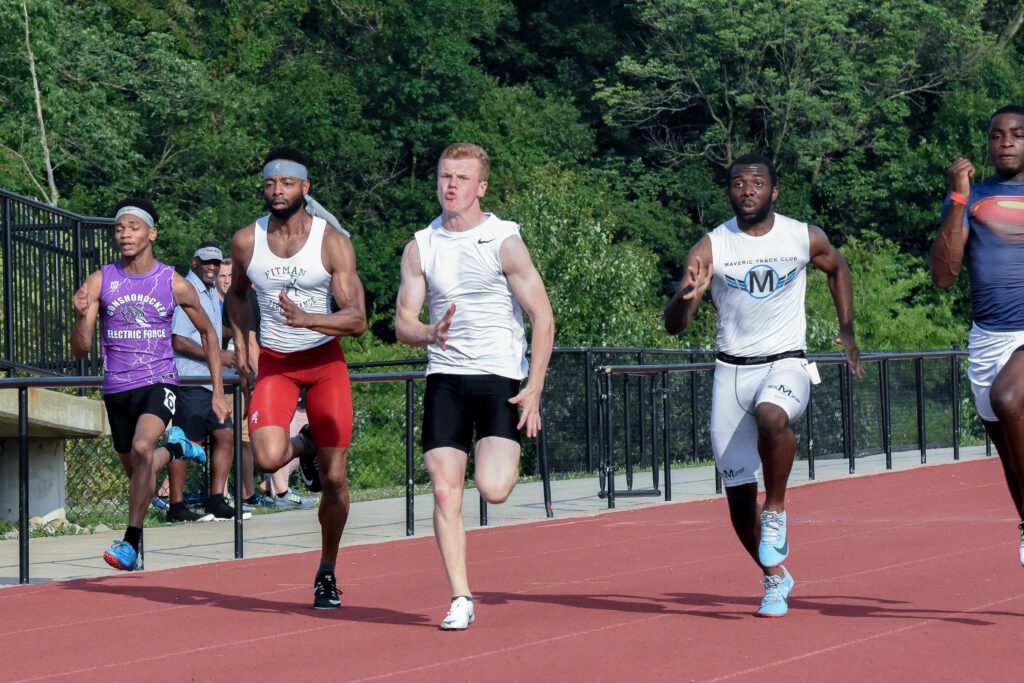

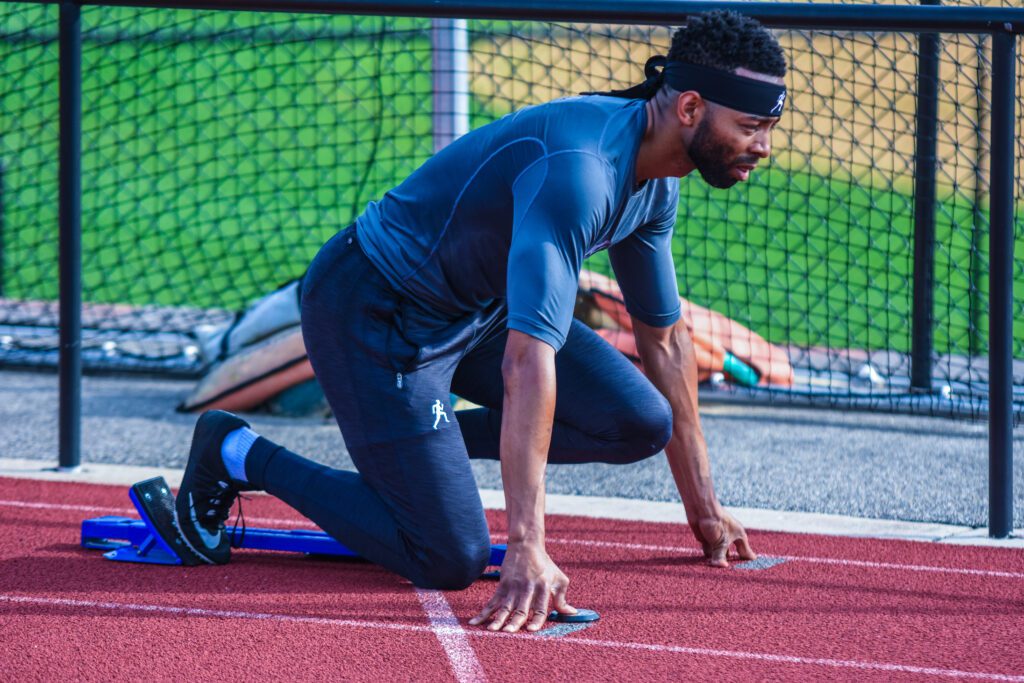
Work With A Speed Training Coach In Abington
40-Yard Dash | 60-Yard Dash | 100m–400m Sprint Development
Speed separates average athletes from elite athletes.
If you or your athlete are getting beaten off the line, getting caught from behind, or missing recruiting standards by fractions of a second, speed training can make the difference.
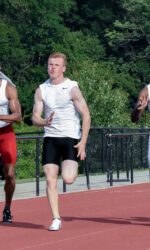
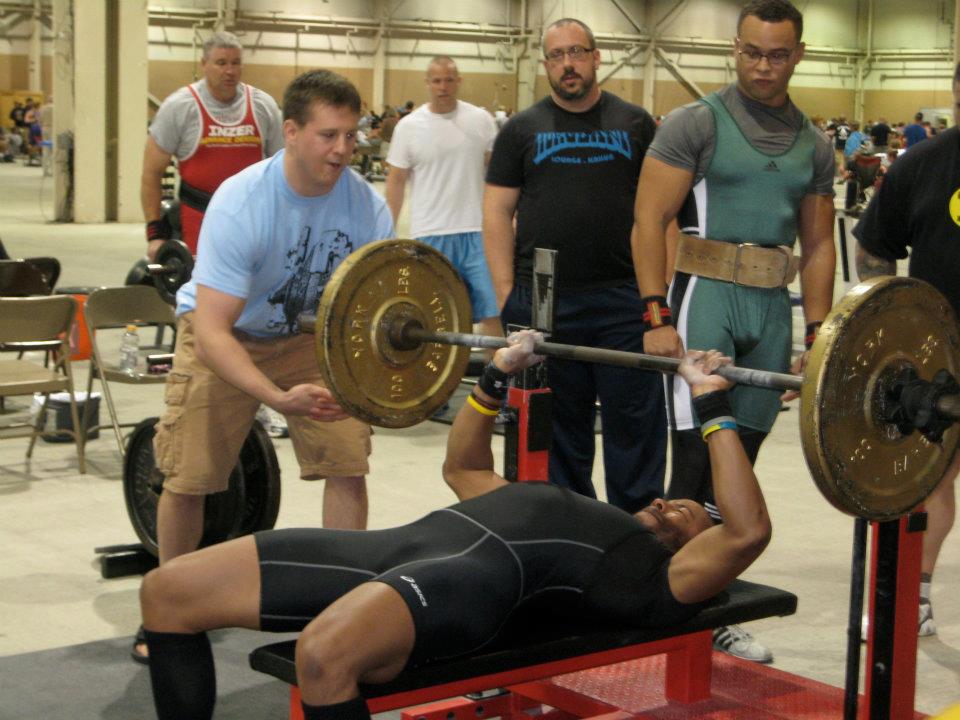
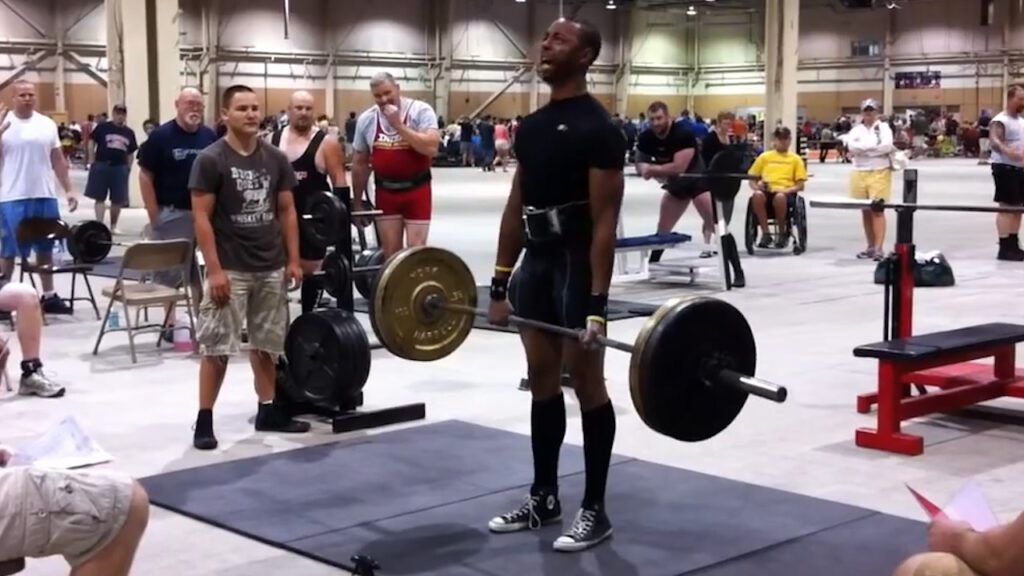
I’m Fitman, a USATF Masters Sprinter, NGA Pro Natural Bodybuilder, and NASM-certified coach. I specialize in sprint development for athletes competing in the 40-yard dash, 60-yard dash, and the 100m–400m sprint events.
Athletes from Abington, Montgomery County, and the Philadelphia area train at Fitman Performance to improve acceleration, top-end speed, and sprint performance.
What Athletes Need To Train
Speed training focuses on the qualities that actually lower sprint times.
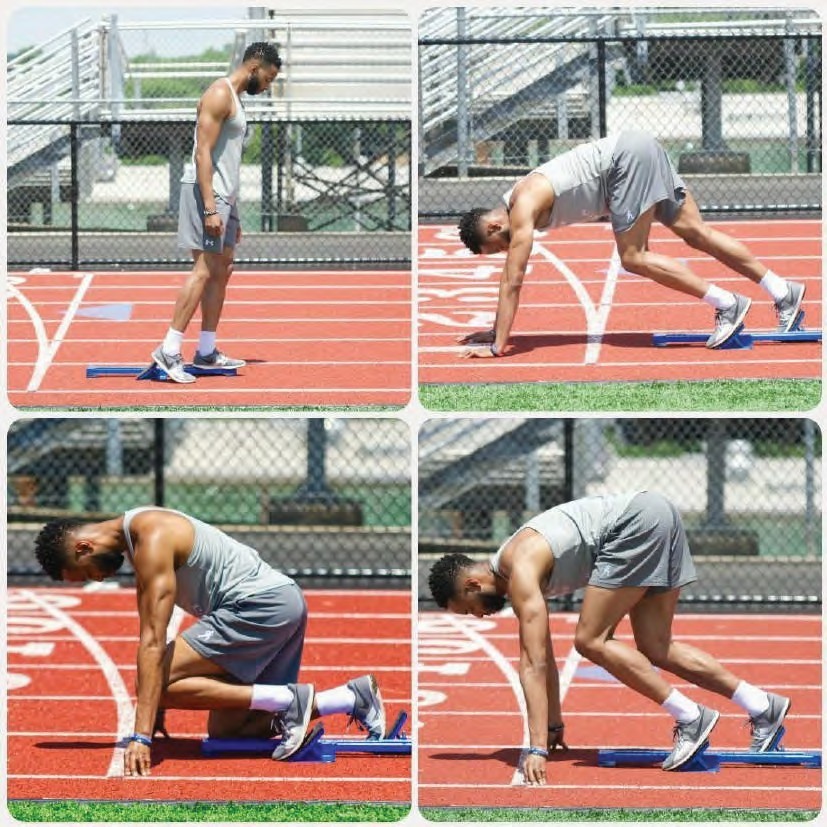
Acceleration
Explosive first-step power and drive phase mechanics.
Maximum Velocity
Top-end speed, stride efficiency, and sprint mechanics.
Speed Endurance
Maintaining speed through the finish in the 100m, 200m, and 400m.
Strength for Sprinters
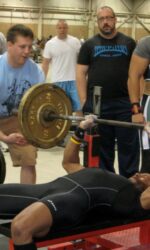
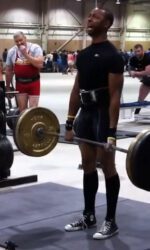
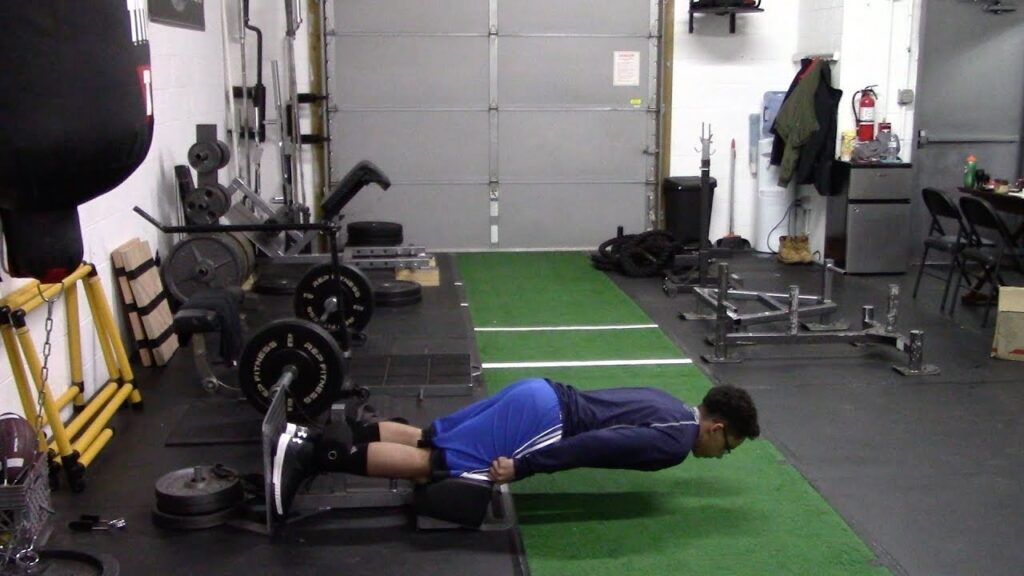
Power-focused weight training designed to support sprint performance.
Where Do Your Sprint Times Rank?
These ranges reflect typical high school sprint standards.
Boys 100m
Average: 12.0 – 12.8
Good Varsity: 11.3 – 11.9
Very Good: 10.9 – 11.2
Elite High School: 10.5 – 10.8
Boys 200m
Average: 24.5 – 26.5
Good Varsity: 22.8 – 24.4
Very Good: 21.9 – 22.7
Elite High School: 21.3 – 21.8
Boys 400m
Average: 55 – 60
Good Varsity: 51 – 54
Very Good: 49 – 50
Elite High School: 47 – 48
Girls 100m
Average: 13.5 – 15.0
Good Varsity: 12.6 – 13.4
Very Good: 12.1 – 12.5
Elite High School: 11.7 – 12.0
Girls 200m
Average: 27.5 – 31.0
Good Varsity: 25.8 – 27.4
Very Good: 24.8 – 25.7
Elite High School: 23.8 – 24.7
Girls 400m
Average: 62 – 70
Good Varsity: 57 – 61
Very Good: 54 – 56
Elite High School: 51 – 53
High School Football Speed Standards
The 40-yard dash is the most common speed test for football athletes. It matters most for skill positions, but every athlete benefits from better acceleration and top-end speed.
40-Yard Dash (Boys)
Average: 5.1 to 5.4
Good Varsity: 4.8 to 5.0
Very Good: 4.6 to 4.7
Elite High School: 4.5 to 4.6
A true 4.4 is a rare high school speed and usually belongs to exceptional athletes, not the average varsity player.
Baseball Speed Standards
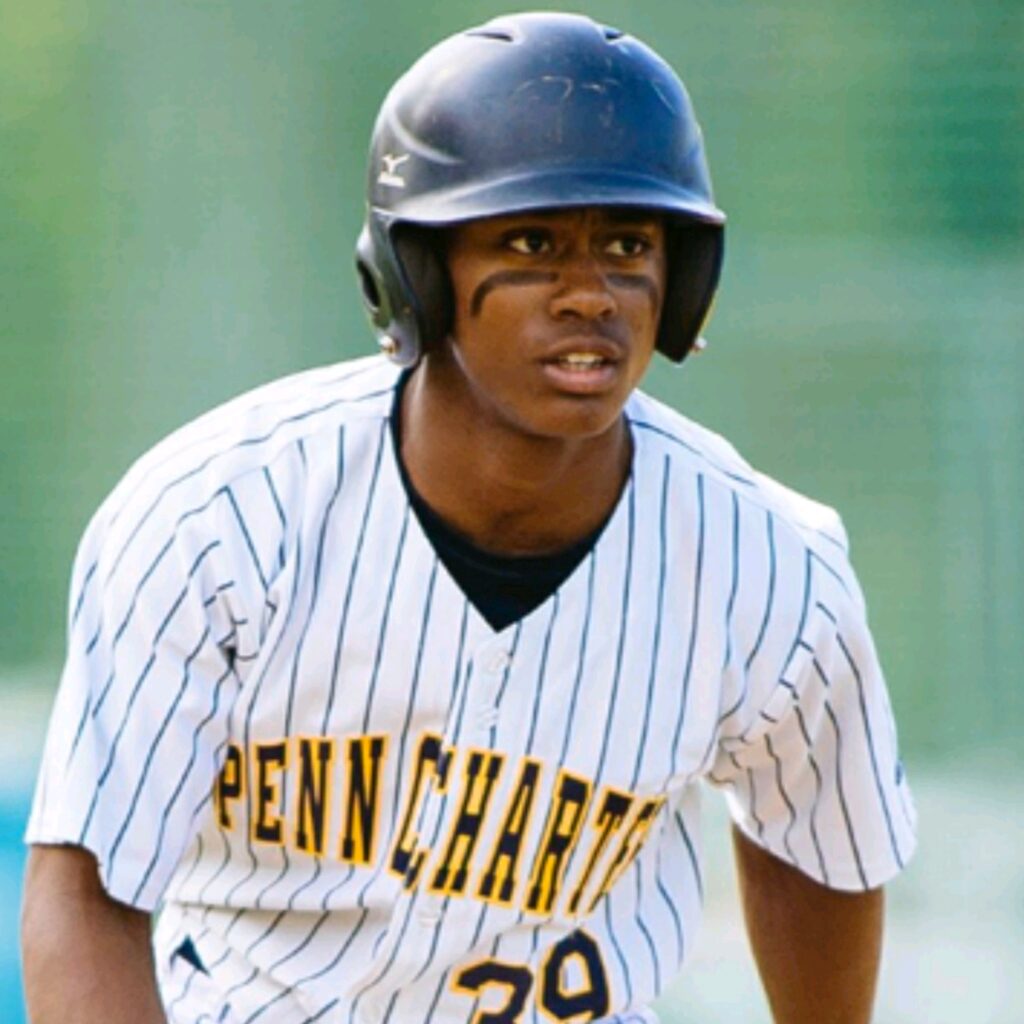
The 60-yard dash is the primary speed test in baseball. It is especially important for middle infielders, center fielders, and other athletes whose game depends on range and speed.
60-Yard Dash (Boys)
Average High School Player: 7.6 to 8.2
Good Varsity Speed: 7.2 to 7.5
Very Good: 6.9 to 7.1
Elite High School Speed: 6.6 to 6.8
Times under 6.7 usually attract attention quickly, especially for center fielders, shortstops, and second basemen where speed is critical.
Strong Division I recruits typically run 6.6 to 6.9 depending on position, while many Division II, Division III, and NAIA programs recruit players running about 6.9 to 7.2, particularly at corner positions such as first base and third base where raw speed is less critical.
Typical College Recruiting Times For Track And Field
These are the ranges where college coaches typically begin showing interest.
Men
Division I
100m: 10.4 – 10.8
200m: 20.8 – 21.5
400m: 46 – 49
Division II
100m: 10.7 – 11.0
200m: 21.7 – 22.4
400m: 48 – 50
Division III
100m: 10.9 – 11.4
200m: 22.2 – 23.0
400m: 50 – 52
Women
Division I
100m: 11.4 – 11.9
200m: 22.8 – 24.0
400m: 52 – 56
Division II
100m: 11.7 – 12.2
200m: 23.8 – 25.2
400m: 54 – 58
Division III
100m: 12.0 – 12.6
200m: 24.8 – 26.2
400m: 56 – 60
These times do not guarantee recruitment, but they represent the performance level where coaches often begin paying attention. Other factors such as year-to-year improvement, strength, sprint mechanics, position value, academics, and overall athletic ability also play an important role in the recruiting process.
My Track Background
I competed in NCAA Division II track at East Stroudsburg University and West Chester University before stepping away from the sport for nearly a decade. As a college sprinter I was a solid but below average sprinter which gave me a realistic understanding of the speed standards required at the collegiate level.
I later returned to the sport as a masters sprinter from 2015 to 2021, where I achieved stronger performances than I did during my college career, including personal bests of 11.57 in the 100m and 23.78 in the 200m. That experience shapes how I now coach athletes in sprint development.
In 2015 I returned to the track as a masters sprinter and competed from 2015 through 2021. Once I fully committed to sprint training again, my performances improved quickly.
In 2017 masters season I ran:
60m: 7.61
100m: 11.57
200m: 23.78
I qualified for the USATF Masters Indoor National Championships in the 60 meters, reaching the finals before a hamstring tear ended my season.
Training and competing as a masters sprinter gave me firsthand experience with the same speed development methods I now teach athletes at Fitman Performance.
Measurable Athlete Improvements
Speed training should produce measurable results.
Examples from athletes who trained at Fitman Performance include:
Demetrius
Improved from 7.2 to 6.58 in the 60-yard dash, helping earn a Division 1 scholarship to Mount St. Mary’s University.
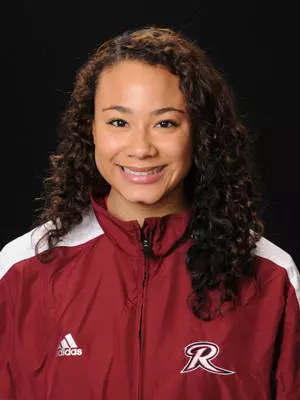
Johanna
Developed the necessary speed to walk on and have a chance to compete in track and field at Division 1 Rider University.
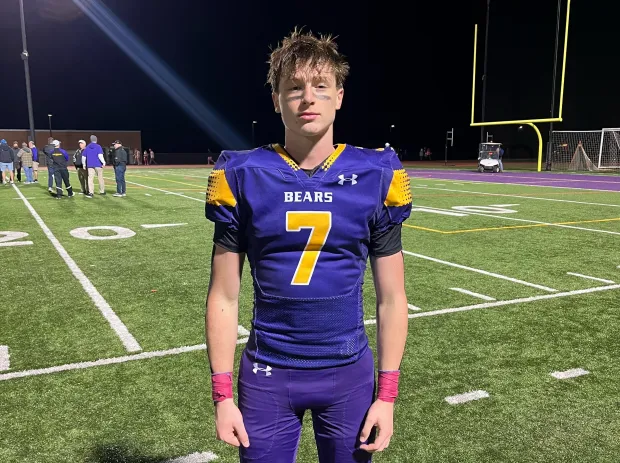
Aidan
Improved explosiveness and production as a football athlete, increasing from 481 yards and 5 touchdowns to 800 yards and 17 touchdowns his senior season.
Speed progress is tracked through measurable sprint metrics including:
10m acceleration
30m acceleration
40-yard dash times
60-yard dash times
Flying sprint times
100m to 400m race times
We measure speed using the Freelap Electronic Timing System, the same type of automated timing used in professional sprint training.
Electronic timing removes the human reaction delay that occurs with hand timing, which can make times appear faster than they actually are. Using Freelap allows athletes to see accurate, consistent results so progress can be measured honestly from session to session.
The goal is simple. Get faster and prove it with the clock.
Speed Training Coach In Abington And Near Philadelphia
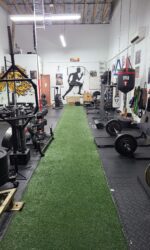
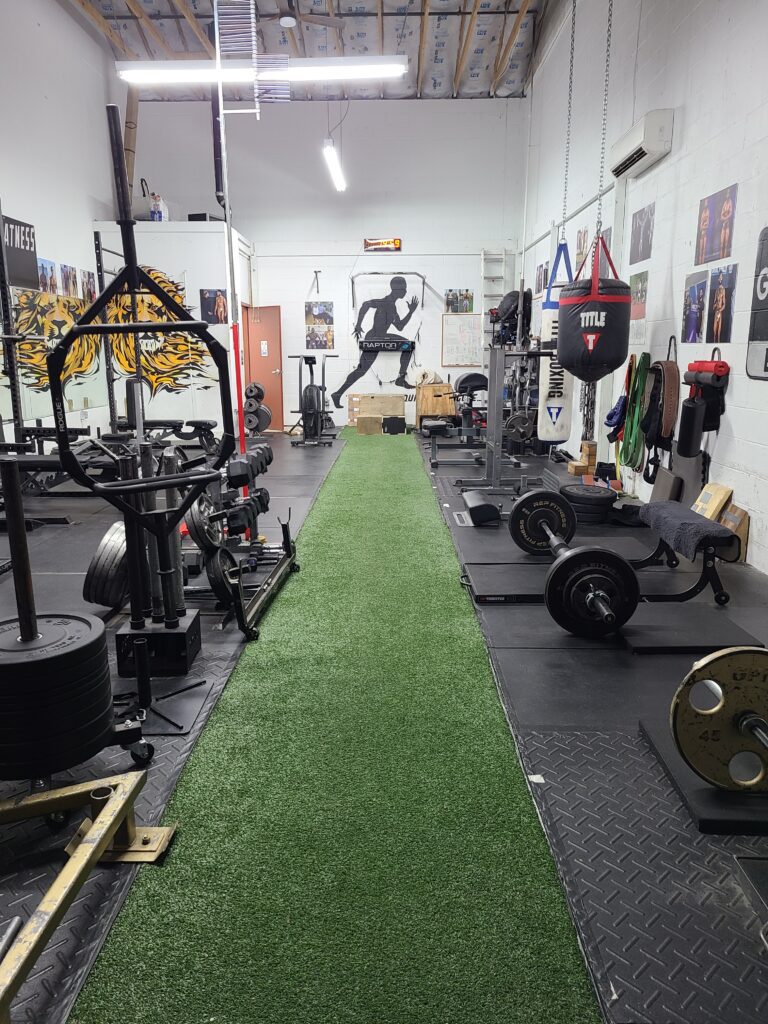
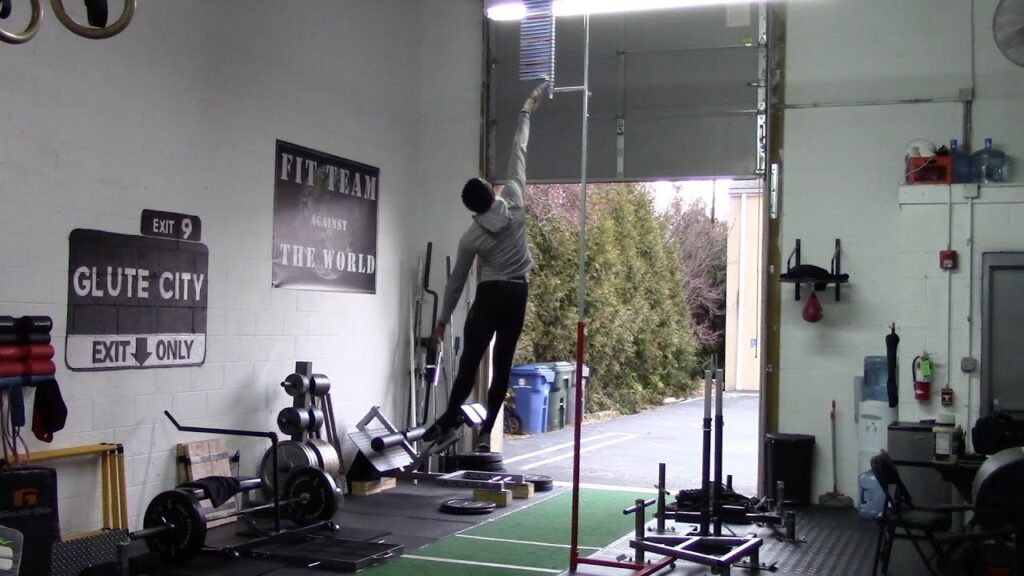
My gym, the Fitman Performance & Physique Center is located in Abington, Pennsylvania and serves athletes throughout Montgomery County in places like:
Abington
Jenkintown
Glenside
Willow Grove
Cheltenham
Upper Moreland
Hatboro
Horsham
Philadelphia
Athletes train here to improve their 40-yard dash, 60-yard dash, and sprint performance.
Ready To Work With A Speed Training Coach In Abington?
Speed is built through discipline, coaching, and measurable progress.
If you want to improve your 40-yard dash, 60-yard dash, or 100m–400m sprint performance, apply below to join the Fitman Speed Development Program in Abington.
I’ll holla at you soon.
The People’s Trainer,
Fitman